
Brain & Spine Clinic, Kanpur
Spine Surgeon in Kanpur – Dr. Gopal Shukla

Specialist spine evaluation, explained clearly
People experiencing persistent or complicated spinal symptoms may require evaluation by an experienced specialist. Dr. Gopal Shukla at Brain & Spine Clinic provides specialized consultation and treatment for patients dealing with various brain, spine, nerve, and related neurological conditions.
If you are searching for a Spine Surgeon in Kanpur, understanding the cause of your symptoms is an important first step. Depending on the condition, treatment may involve medicines, physiotherapy, lifestyle changes, rehabilitation, or surgical intervention when required.
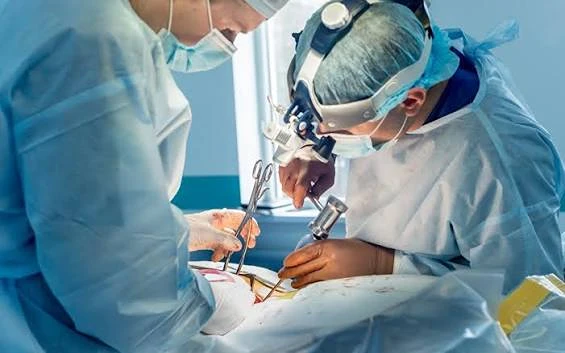
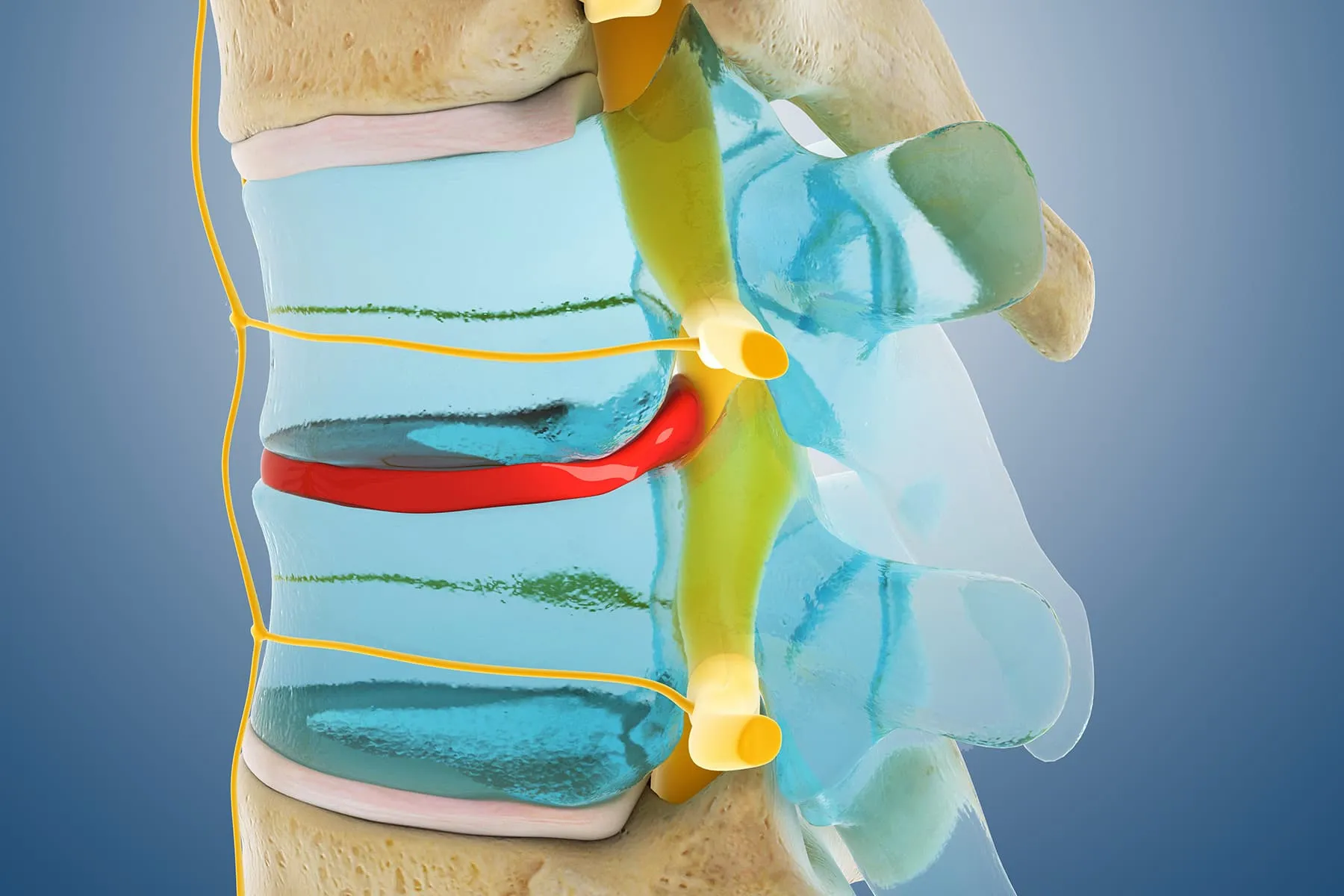
Comprehensive Spine Care in Kanpur
Spinal problems can affect people of different age groups. While some conditions develop gradually due to age-related changes, others may occur because of injuries, disc problems, poor posture, physical strain, or other underlying conditions.
At Brain & Spine Clinic, spine-related complaints can be evaluated based on the patient’s symptoms, medical history, physical examination, and relevant diagnostic reports. The objective is to understand the condition and recommend an appropriate treatment approach.
Not every spine problem requires surgery. In many situations, non-surgical treatment may be considered initially. When surgery is medically indicated, patients can be guided regarding the available procedure, expected recovery, and other important aspects of treatment.
Common Spine Conditions
A spine specialist may evaluate several conditions affecting the neck, back, spinal discs, vertebrae, nerves, and spinal canal.
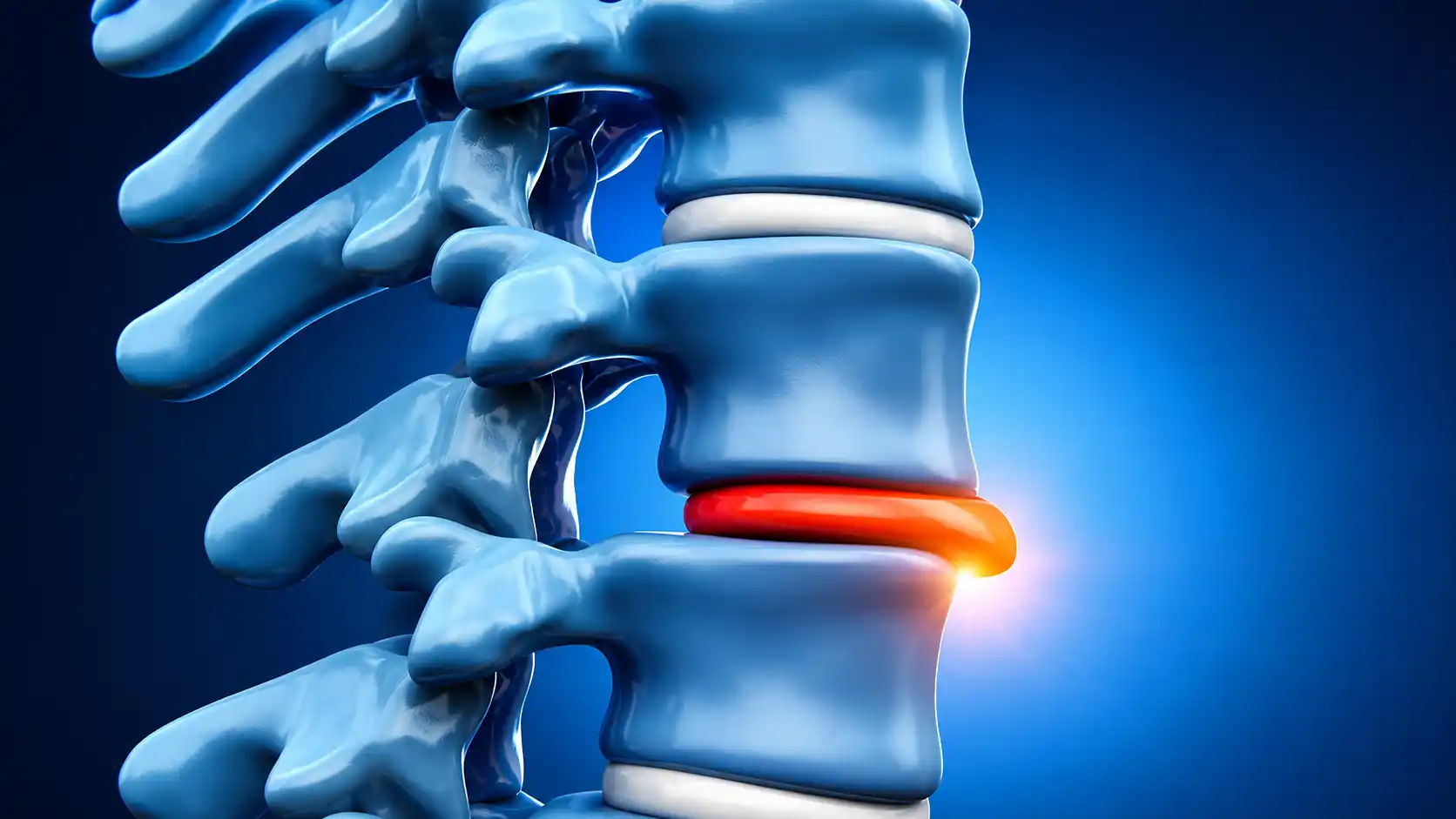
Slip Disc and Herniated Disc
Spinal discs act as cushions between the vertebrae. Sometimes, a disc can bulge or herniate and irritate nearby nerves. This may result in localized pain or symptoms that travel into the arm or leg.
Depending on the severity of the problem, treatment may include medication, physical rehabilitation, activity modification, or other interventions. Surgery may be considered in selected patients when symptoms are persistent or significant nerve compression is present.
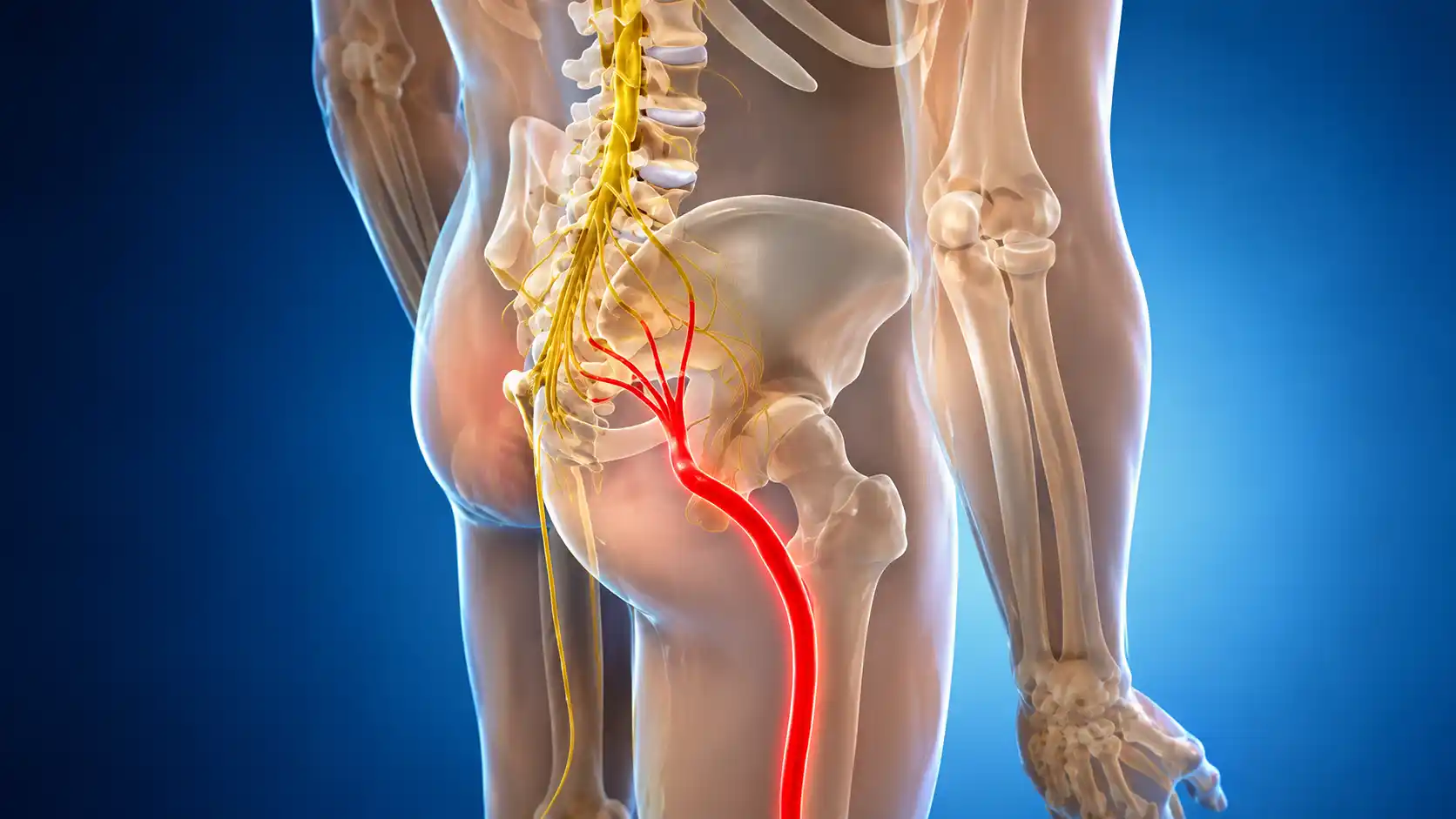
Sciatica
Sciatica is commonly associated with irritation or compression of the sciatic nerve. Patients may experience pain beginning around the lower back or buttock and extending down the leg.
Some people may also experience tingling, numbness, or weakness. Identifying the actual cause of sciatic symptoms is important because several spinal conditions can produce similar complaints.
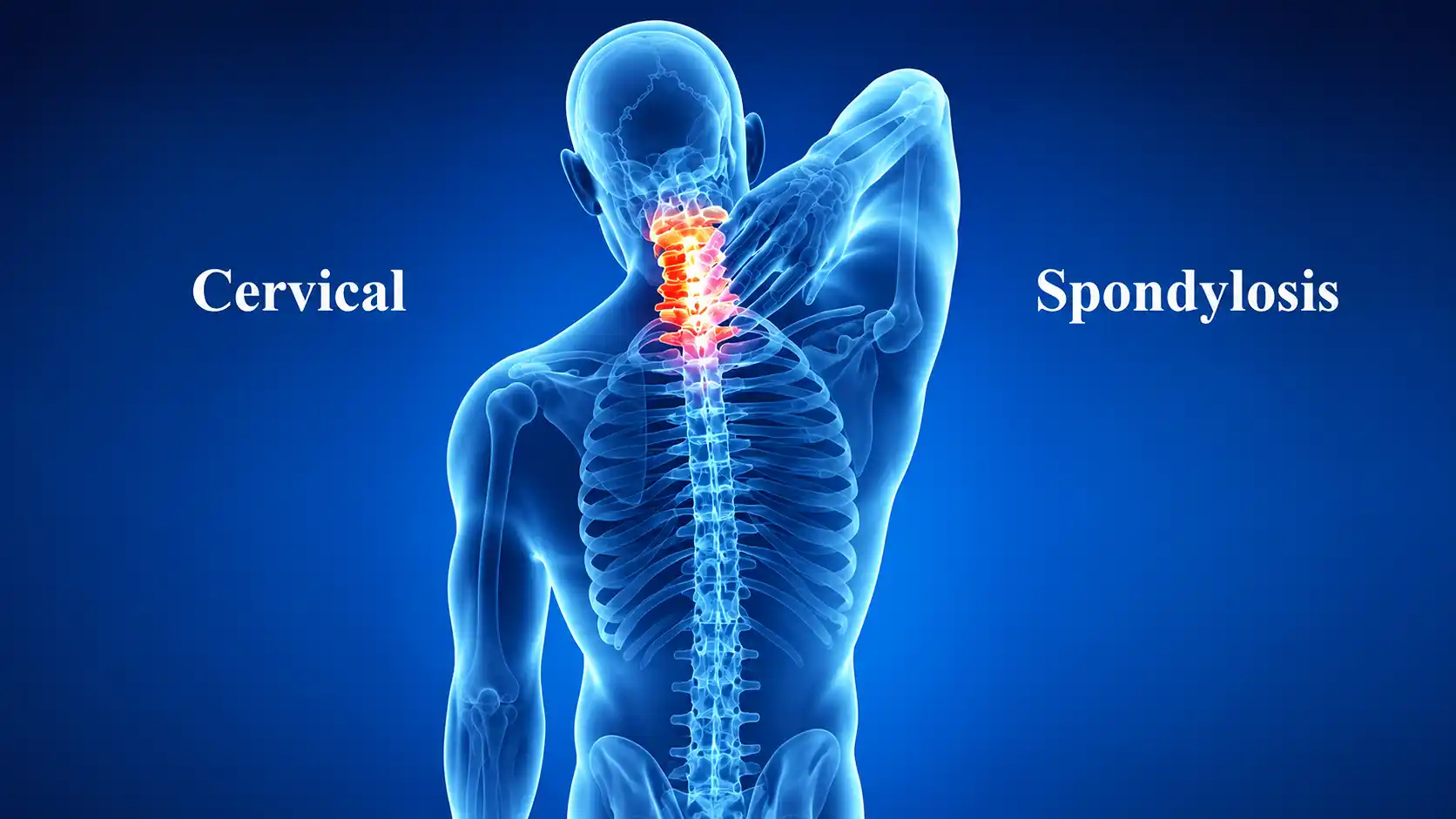
Cervical Spine Problems
The cervical spine forms the neck portion of the spinal column. Conditions affecting this region can cause neck pain and stiffness. If a nerve becomes irritated or compressed, symptoms may extend into the shoulder, arm, or hand.
Persistent neck pain accompanied by numbness, tingling, weakness, or other neurological symptoms should be assessed by a specialist.
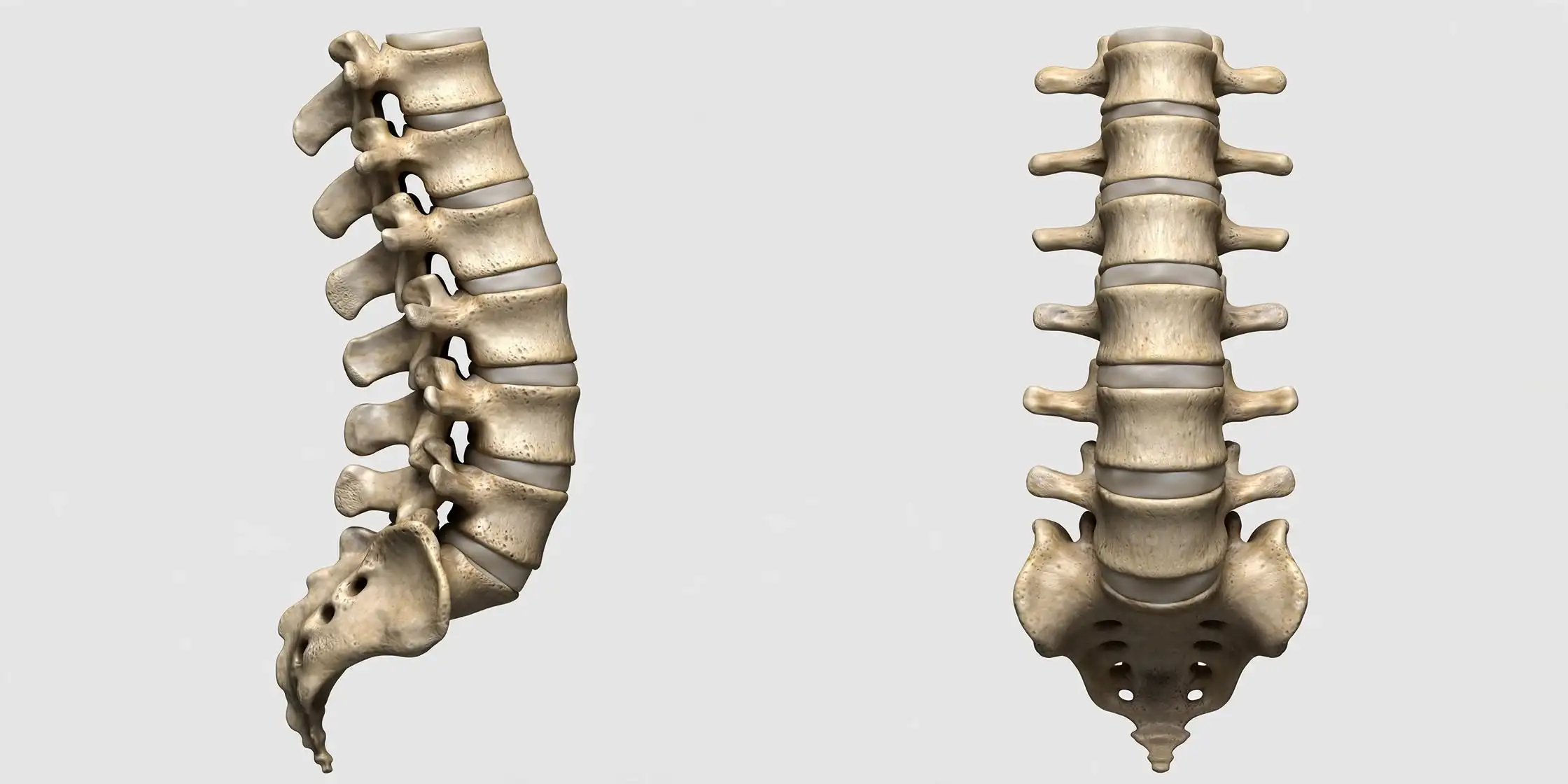
Lumbar Spine Conditions
The lower back carries a significant amount of the body’s load and is therefore vulnerable to different types of stress and degenerative changes.
Lumbar spine problems may cause lower back pain, stiffness, leg pain, numbness, or difficulty with certain movements. Proper diagnosis can help determine whether the condition should be managed conservatively or requires further specialist treatment.
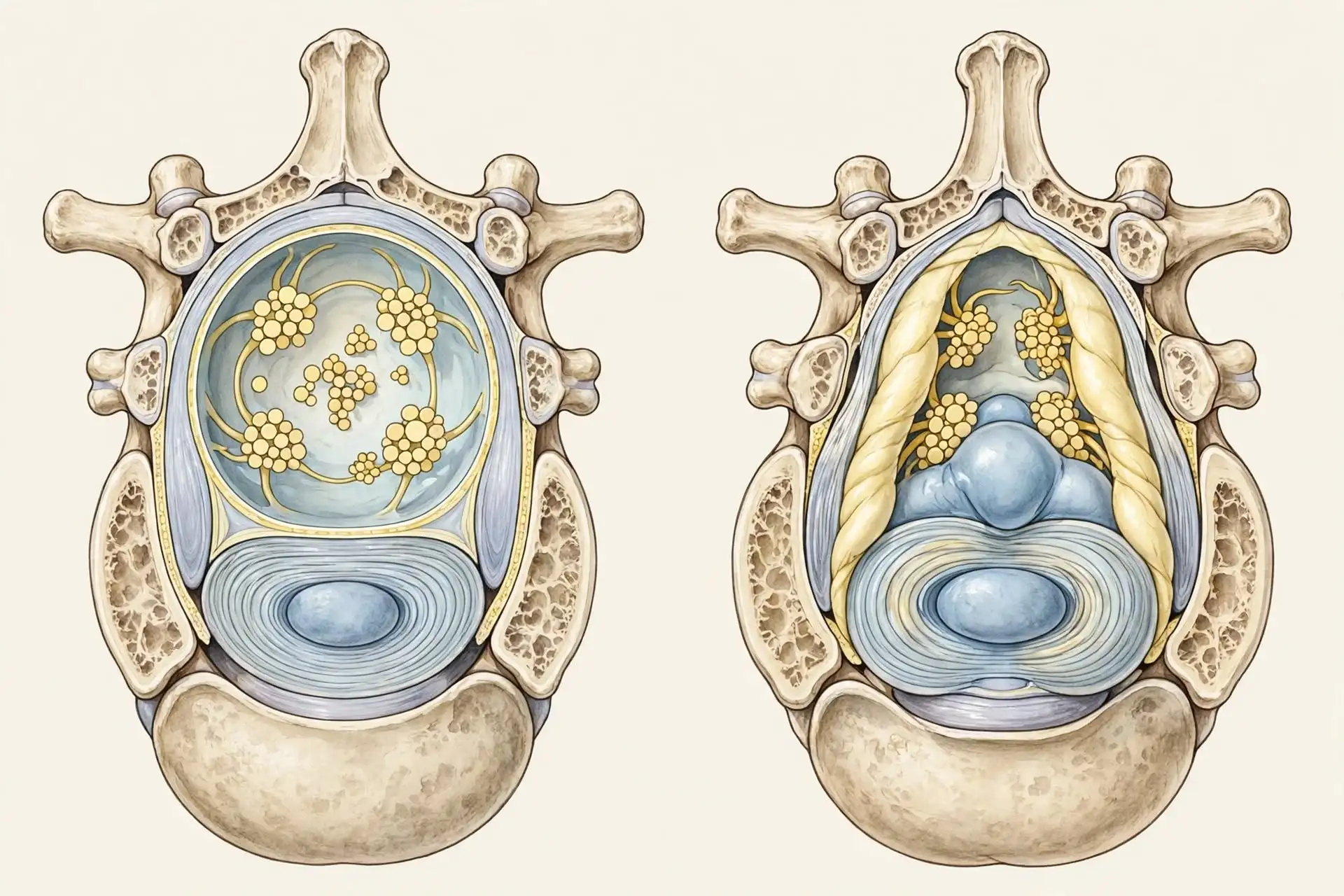
Spinal Stenosis
Spinal stenosis occurs when the spaces around the spinal cord or nerves become narrowed. It may develop due to degenerative changes, disc problems, arthritis, or other structural changes.
Depending on its severity, spinal stenosis may cause pain, numbness, weakness, or discomfort while standing or walking. Specialist assessment can help determine the appropriate treatment.
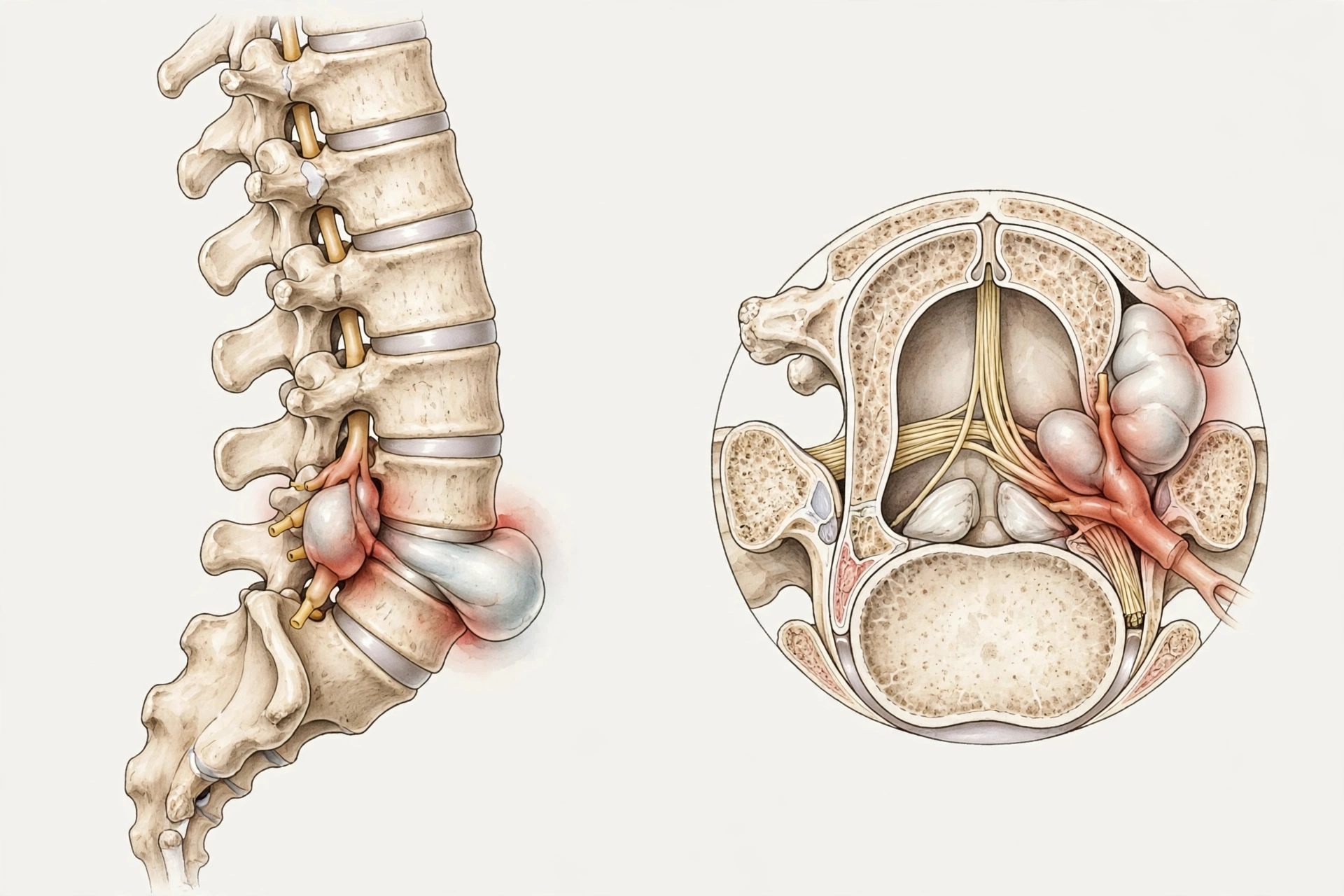
Spine-Related Nerve Compression
The nerves emerging from the spine are responsible for carrying signals between the brain, spinal cord, and different parts of the body. Compression or irritation of these nerves may cause pain, tingling, numbness, or weakness.
A detailed clinical assessment can help determine the location and possible cause of nerve compression.
When Should You See a Spine Surgeon?
Back or neck pain is common, but persistent or unusual symptoms should receive appropriate attention. Consulting a specialist can help identify whether the problem is related to the muscles, discs, nerves, vertebrae, or another structure.
You may consider a spine consultation if you have:
- Persistent lower back pain
- Recurring neck pain or stiffness
- Pain extending into the arm or leg
- Repeated episodes of sciatica
- Numbness or tingling
- Weakness in the arms or legs
- Difficulty walking or maintaining balance
- Symptoms that continue despite initial treatment
- Back or neck symptoms after an accident or injury
- Recurrent spinal problems affecting daily activities
Seek urgent medical attention
Certain symptoms, including sudden or progressive weakness, significant neurological changes, or loss of bladder or bowel control associated with spinal symptoms, require urgent medical attention.
How Are Spine Problems Diagnosed?
Finding the correct cause of a spinal problem is important before deciding on treatment. During a consultation, the doctor may ask about the location, duration, severity, and pattern of symptoms.
The medical history may include previous injuries, treatments, surgeries, medications, and other relevant health information. A physical and neurological examination can also provide important information.
Depending on the suspected condition, diagnostic investigations may be recommended. These may include:
- X-rays
- MRI scans
- CT scans
- Nerve-related investigations
- Other tests when clinically required
Not every patient requires every test. Investigations are generally selected according to the symptoms and findings of the individual patient.
Non-Surgical Treatment for Spine Problems
Many spinal conditions can initially be managed without surgery. The treatment plan depends on the underlying diagnosis and the severity of symptoms.
Non-surgical management may include:
Medication
Medicines may be prescribed to help manage pain, inflammation, muscle-related symptoms, or other complaints depending on the condition.
Physiotherapy
Specific exercises and rehabilitation may help improve movement, strength, flexibility, and functional ability in suitable patients.
Posture and Activity Modification
Poor posture and repetitive physical strain can contribute to certain spinal complaints. Modifying activities and improving posture may form part of the overall management plan.
Lifestyle Changes
Maintaining an appropriate level of physical activity, managing body weight where necessary, and following professional recommendations can support overall spinal health.
Regular Monitoring
Some spinal conditions may be monitored over time to assess whether symptoms are improving, remaining stable, or progressing.
When Is Spine Surgery Considered?
Spine surgery is generally considered only when it is appropriate for the specific diagnosis. Depending on the condition, surgery may be discussed when conservative treatment does not provide sufficient improvement or when there is significant structural or neurological involvement.
The decision may depend on several factors, including:
- The underlying diagnosis
- Severity and duration of symptoms
- Nerve or spinal cord compression
- Neurological findings
- Imaging results
- Response to previous treatment
- Overall health of the patient
A surgical recommendation should always be based on an individual clinical assessment rather than symptoms alone.
Minimally Invasive Spine Procedures
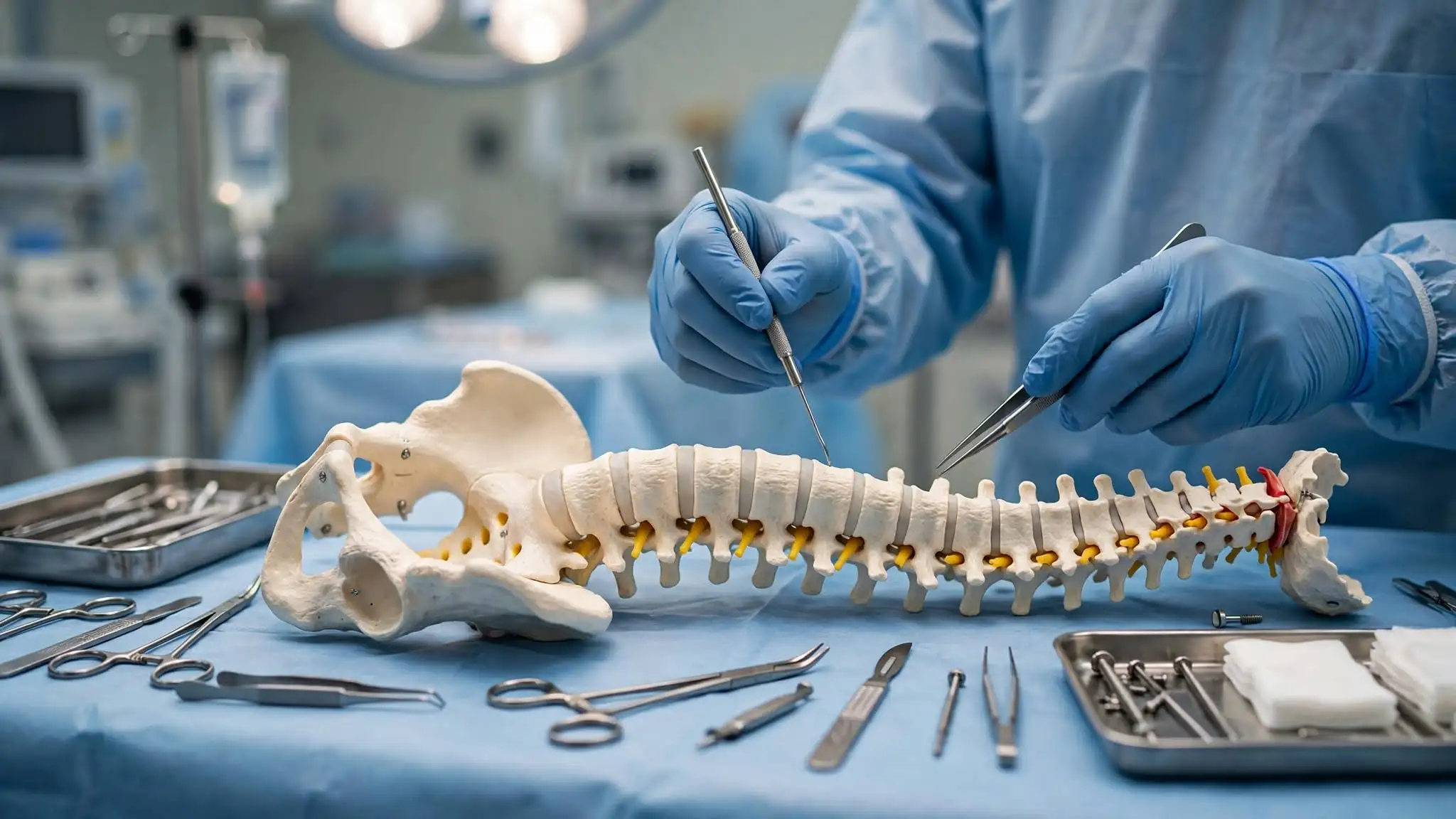
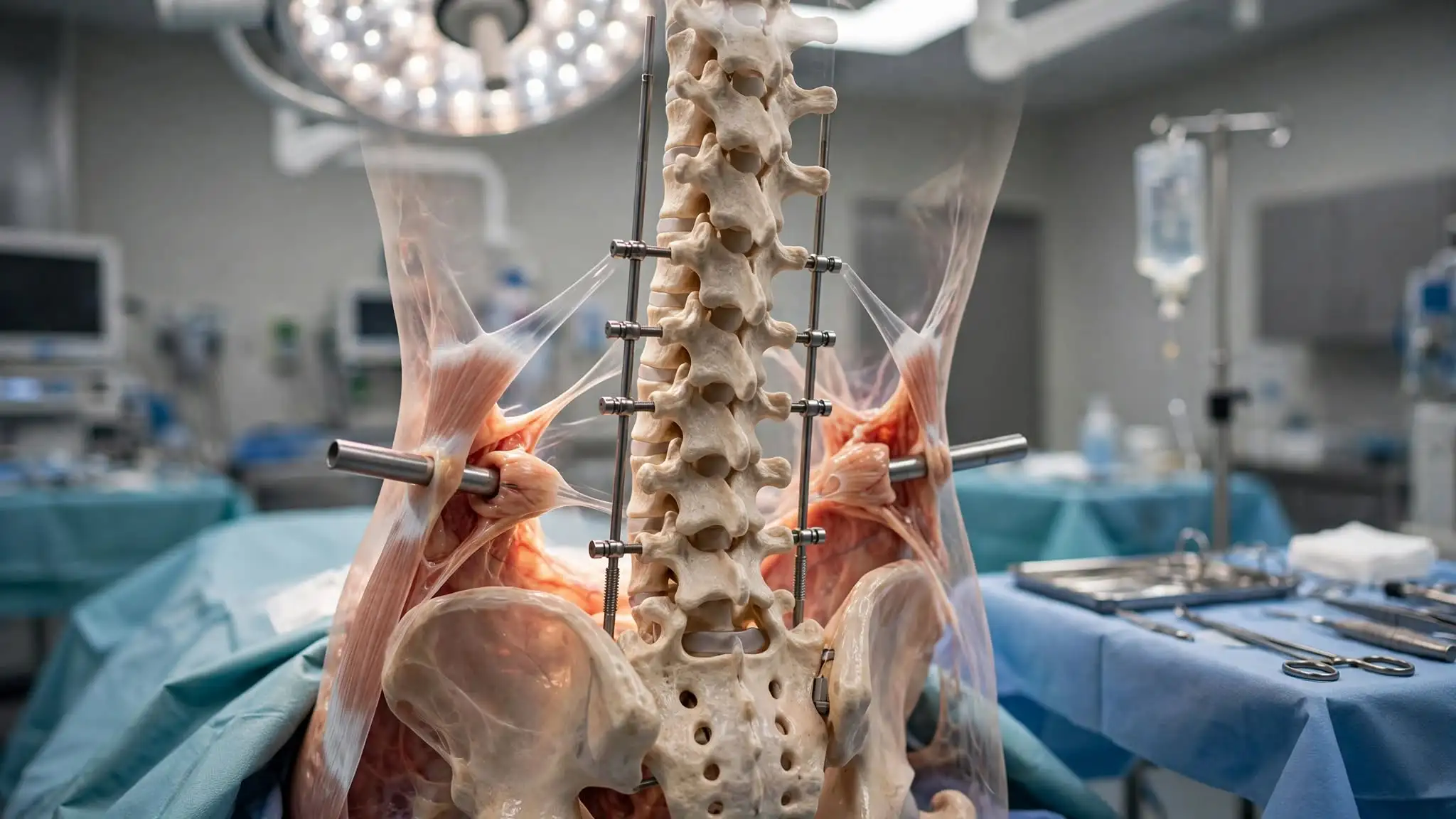
Modern spine care includes different surgical techniques, including minimally invasive approaches for selected conditions.
These techniques are designed to reach the affected spinal area through smaller surgical approaches in suitable cases. Potential benefits and limitations depend on the specific procedure and the patient’s condition.
Not every patient or spinal disorder is suitable for minimally invasive surgery. The appropriate technique is determined after evaluating the diagnosis, imaging, anatomy, previous treatment history, and other clinical factors.
Why Choose Dr. Gopal Shukla for Spine Care in Kanpur?
Selecting a specialist for a spinal condition is an important decision. Patients often need clear information about their diagnosis, treatment choices, and whether surgery is actually required.
Dr. Gopal Shukla at Brain & Spine Clinic focuses on the evaluation and management of brain and spine-related conditions. Each patient’s symptoms and clinical findings can be assessed to develop an individualized treatment plan.
The approach emphasizes:
Detailed Clinical Assessment
A proper evaluation helps understand the nature of the patient's symptoms and identify potential spinal or neurological causes.
Individualized Treatment Planning
Treatment can vary considerably from one patient to another. The recommended approach is based on the diagnosis, severity of symptoms, and individual clinical requirements.
Conservative Care When Appropriate
Surgery is not the only option for spine problems. Suitable patients may be managed with non-surgical approaches depending on their condition.
Surgical Guidance When Required
When surgery is considered appropriate, patients can receive information about the procedure, expected recovery, possible risks, and available treatment options.
Focus on Long-Term Spine Health
Effective spine care involves more than addressing pain. Understanding the underlying condition and following appropriate rehabilitation and lifestyle recommendations can also be important for long-term management.
How to Take Care of Your Spine
Daily habits can influence spinal health. Although lifestyle measures cannot prevent every spinal disorder, maintaining healthy habits may support overall musculoskeletal health. Some useful measures include:
- Maintain proper sitting and standing posture.
- Avoid sitting continuously for extended periods.
- Take regular movement breaks during desk work.
- Use appropriate techniques when lifting heavy objects.
- Stay physically active according to your fitness and medical condition.
- Follow exercises recommended by a qualified professional.
- Maintain a healthy body weight.
- Avoid unnecessary strain on the neck and lower back.
- Do not ignore persistent or worsening symptoms.
If you already have a diagnosed spine condition, discuss exercise and activity levels with your doctor before starting a new routine.
Importance of Timely Spine Evaluation
Persistent spinal symptoms should not always be treated as ordinary body pain. Pain accompanied by numbness, tingling, weakness, or difficulty walking may indicate involvement of the nerves or other spinal structures.
Timely evaluation can help determine the underlying cause and provide clarity about treatment options. Early consultation also gives patients an opportunity to understand whether their condition can be managed conservatively or requires further specialist intervention.
A consultation does not automatically mean that surgery will be recommended. In many cases, the first step is simply understanding the problem and selecting the most appropriate management approach.
Spine Surgeon in Kanpur for Personalized Care
Living with ongoing back or neck pain can affect work, sleep, mobility, and everyday activities. Finding the cause of persistent symptoms is therefore an important part of effective spine care.
Dr. Gopal Shukla at Brain & Spine Clinic provides specialist evaluation for patients with various spine-related and neurological complaints in Kanpur. The treatment approach is determined according to the patient’s symptoms, diagnosis, clinical findings, and individual requirements.
If you are searching for a Spine Surgeon in Kanpur for back pain, neck problems, slip disc, sciatica, nerve compression, spinal stenosis, or other spine-related concerns, a specialist consultation can help you understand the condition and available treatment options.
Frequently Asked Questions
1. What does a spine surgeon treat?
A spine surgeon evaluates and treats various conditions affecting the spine, discs, vertebrae, spinal nerves, and related structures. Treatment may be surgical or non-surgical depending on the condition.
2. When should I visit a spine surgeon in Kanpur?
You may consider consulting a spine specialist when back or neck pain persists, keeps returning, affects daily activities, or is accompanied by numbness, tingling, weakness, or pain extending into the arms or legs.
3. Can a slipped disc be treated without surgery?
Yes. Many slipped disc cases can be managed with non-surgical treatment. Surgery may be considered in selected cases based on the severity of symptoms, neurological findings, and response to other treatments.
4. What causes sciatica?
Sciatica is commonly associated with irritation or compression of the sciatic nerve. A herniated disc, spinal narrowing, or other spinal changes may contribute to sciatic symptoms.
5. What are the symptoms of a spinal nerve problem?
Possible symptoms include radiating pain, tingling, numbness, weakness, altered sensation, or difficulty with certain movements. Symptoms vary depending on which nerve is affected.
6. Does every back pain problem require an MRI?
No. An MRI is not necessary for every person with back pain. The doctor may recommend imaging based on the symptoms, examination, medical history, and suspected diagnosis.
7. Is spine surgery the only treatment for severe back pain?
No. Treatment depends on the underlying cause. Depending on the diagnosis, options may include medicines, physiotherapy, rehabilitation, activity modification, or surgery when medically indicated.
8. What is minimally invasive spine surgery?
Minimally invasive spine surgery involves specialized techniques designed to access the affected spinal area through smaller surgical approaches in suitable cases. Its suitability depends on the patient’s specific condition.
9. Can cervical spine problems cause arm pain?
Yes. Certain problems affecting the cervical spine can irritate or compress nerves that travel into the arm and hand, potentially causing pain, numbness, tingling, or weakness.
10. Where can I consult a spine surgeon in Kanpur?
Patients looking for spine-related specialist care in Kanpur can consult Dr. Gopal Shukla at Brain & Spine Clinic for evaluation of their symptoms and discussion of appropriate treatment options.