
Finding the right neurosurgeon in Kanpur is an important decision when you or your family member is dealing with a brain, spine, spinal cord, or nervous system condition. Neurosurgical problems can range from persistent back pain and nerve compression to complex brain disorders, spinal injuries, head trauma, and conditions that may require specialized surgical care.
Dr. Gopal Shukla is a neurosurgeon in Kanpur who provides consultation and treatment for various neurological and neurosurgical conditions. With expertise covering brain and spine surgery, pediatric neurosurgery, minimally invasive spine procedures, endoscopic neurosurgery, stereotactic and functional neurosurgery, and neurotrauma, he focuses on evaluating each patient’s condition before recommending an appropriate treatment approach.
This article provides an overview of Dr. Gopal Shukla’s professional expertise, the conditions treated by neurosurgeons, available treatment approaches, and important things patients should know before consulting a neurosurgery specialist in Kanpur.
Who Is Dr. Gopal Shukla?
Dr. Gopal Shukla is a qualified neurosurgeon in Kanpur with professional experience in the field of brain and spine care. His qualifications include MBBS and DNB in Neurosurgery.
His areas of professional interest include cranial surgery, spinal surgery, pediatric neurosurgery, minimally invasive spine surgery, endoscopic procedures, stereotactic and functional neurosurgery, and neurotrauma.
Neurosurgery is a highly specialized branch of medicine that focuses on diagnosing and treating conditions affecting the brain, spinal cord, nerves, and other structures of the nervous system. Depending on the patient’s diagnosis, treatment may involve medication, observation, rehabilitation, minimally invasive procedures, or surgery.
A neurosurgeon does not recommend surgery for every neurological condition. The treatment plan generally depends on the patient’s symptoms, medical history, examination findings, imaging reports, and overall health.
What Does a Neurosurgeon Do?
A neurosurgeon specializes in conditions affecting the nervous system, including the brain, spine, spinal cord, and peripheral nerves.
Some patients may require neurosurgical evaluation because of symptoms such as:
- Persistent or severe headaches
- Back or neck pain
- Numbness or tingling in the arms or legs
- Muscle weakness
- Difficulty walking
- Nerve compression
- Disc-related problems
- Head injuries
- Spinal injuries
- Seizures associated with certain neurological conditions
- Brain tumors
- Certain conditions involving the spinal cord
- Hydrocephalus and other neurological conditions
The exact treatment depends on the underlying cause. In many situations, surgery may not be necessary, and patients may benefit from medicines, physiotherapy, rehabilitation, lifestyle changes, or monitoring.
Why Choose a Neurosurgeon in Kanpur?
Kanpur is a major city in Up and provides access to specialists in various medical fields, including neurosurgery.
When looking for a neurosurgeon in Kanpur, patients should consider several factors rather than selecting a doctor only on the basis of online rankings or advertisements.
Important factors include:
- Medical qualifications
- Specialist training in neurosurgery
- Experience relevant to the patient’s condition
- Expertise in brain and spine surgery
- Availability of diagnostic facilities
- Emergency care support
- Surgical and non-surgical treatment options
- Patient consultation and communication
Dr. Gopal Shukla’s areas of expertise cover multiple branches of neurosurgery, including brain, spine, pediatric neurosurgery, minimally invasive procedures, and neurotrauma.
Brain and Cranial Surgery
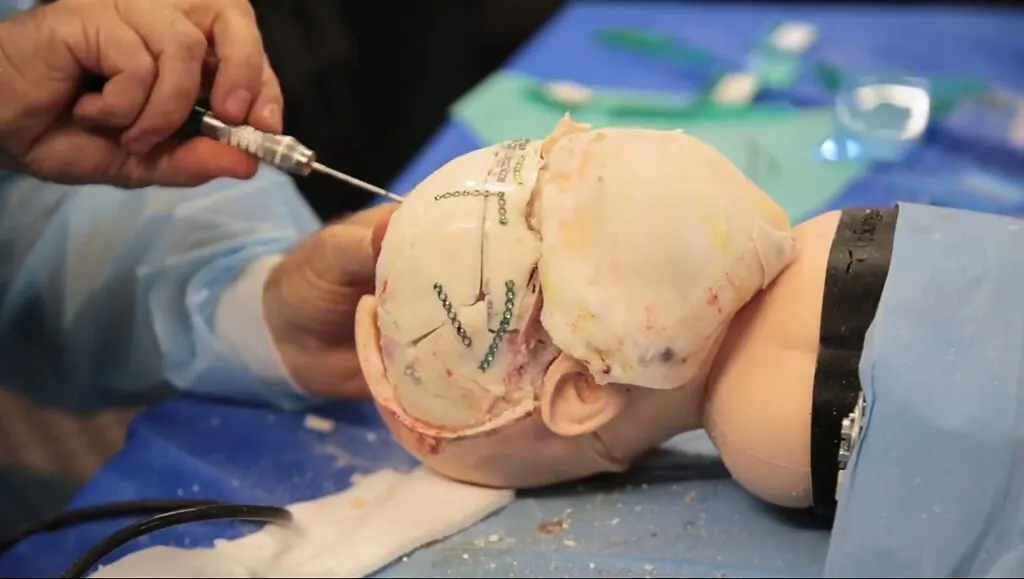
Brain surgery is one of the most specialized areas of neurosurgery. It may be considered for selected patients with conditions such as certain brain tumors, bleeding inside the skull, traumatic brain injuries, hydrocephalus, vascular conditions, and other neurological disorders.
Before recommending brain surgery, a neurosurgeon generally reviews the patient’s symptoms, neurological examination, CT or MRI scans, and other relevant investigations.
The location, size, type, and severity of a brain condition can significantly influence the treatment decision.
Brain Tumor Treatment
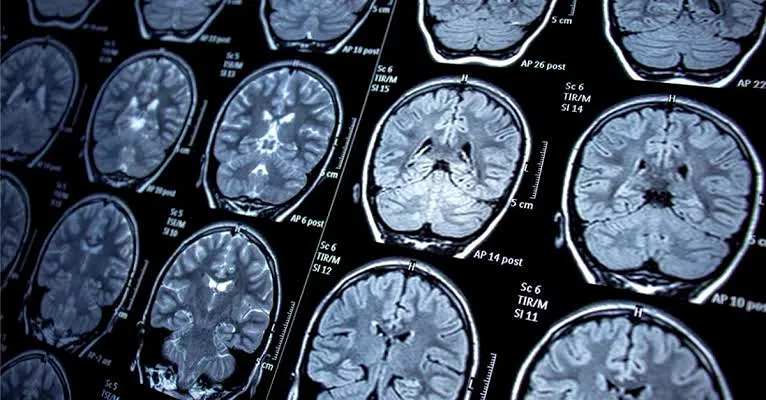
A brain tumor does not always mean that surgery is immediately required. Treatment depends on several factors, including:
- Type of tumor
- Size of the tumor
- Location
- Growth pattern
- Symptoms
- Patient’s age and general health
- Effect on surrounding brain structures
Depending on the diagnosis, treatment may involve observation, surgery, radiation therapy, medication, or a combination of approaches.
A professional neurosurgeon can help decide whether surgical intervention is appropriate after reviewing the patient’s report and imaging test results.
Spine Surgery in Kanpur
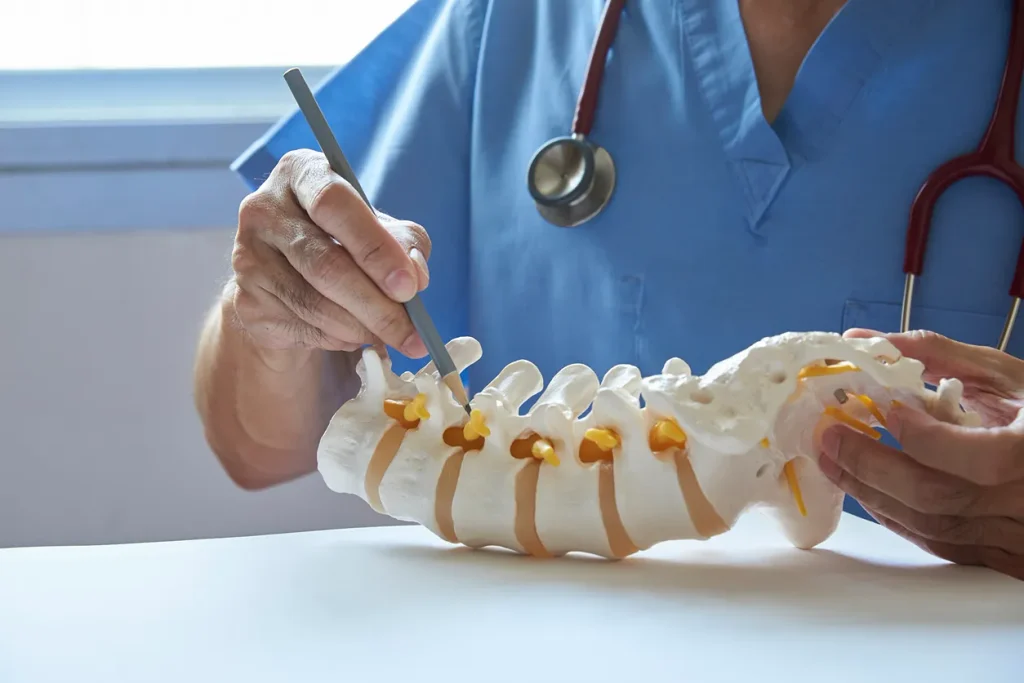
Spine problems are among the reasons people seek specialist advice. For conditions related to the disc, spinal canal, nerves, and spinal cord, we may occasionally need advice from a neurosurgeon.
Common symptoms associated with spinal conditions include:
- Persistent lower back pain
- Neck pain
- Pain radiating into the arms or legs
- Numbness
- Tingling sensations
- Muscle weakness
- Difficulty walking
- Nerve compression
- Symptoms associated with slipped or herniated discs
Not every patient with back pain needs surgery. Many people recover with home remedies like physiotherapy, exercise, and lifestyle changes.
However, when there is significant nerve compression, neurological weakness, spinal instability, serious injury, or other complications, surgical evaluation may be recommended.
Minimally Invasive Spine Surgery
Minimally invasive spine surgery involves specialized techniques designed to treat selected spinal conditions through smaller surgical approaches.
Compared with certain traditional surgical techniques, minimally invasive procedures may involve smaller incisions and less disruption of surrounding tissues in appropriately selected patients.
Potential advantages may include reduced tissue trauma and a potentially faster recovery in suitable cases. However, minimally invasive surgery is not appropriate for every spinal condition.
The surgical approach depends on the patient’s diagnosis, anatomy, severity of the condition, previous surgeries, and overall health.
Dr. Gopal Shukla has professional expertise in minimally invasive spine surgery and related neurosurgical procedures.
Endoscopic Neurosurgery
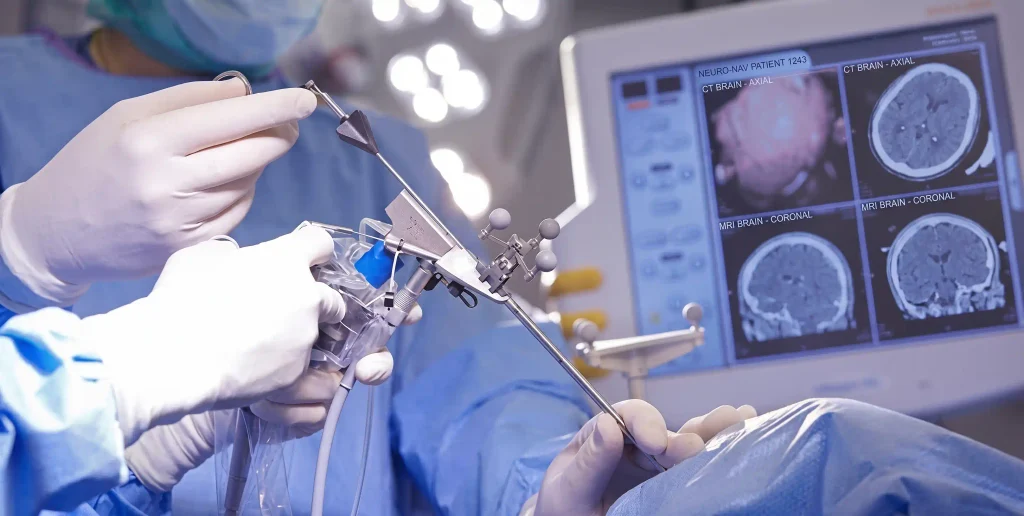
Endoscopic neosurgery uses special tools and instruments to reach specific areas of the patient’s brain or spinal cord through small incisions.
The technique may be useful in selected cases where an endoscopic approach is clinically appropriate.
The decision to use endoscopic surgery depends on the location and nature of the condition. A detailed evaluation and imaging assessment are necessary before deciding whether a patient is a suitable candidate.
Pediatric Neurosurgery
Children can develop neurological and neurosurgical conditions that require specialized evaluation.
Pediatric neurosurgery focuses on conditions affecting the developing brain, spinal cord, and nervous system in children.
Some conditions may be present from birth, while others may develop during childhood.
Possible reasons for pediatric neurosurgical evaluation include:
- Certain congenital brain conditions
- Congenital spinal disorders
- Hydrocephalus
- Selected pediatric brain tumors
- Certain seizure-related conditions
- Spinal cord problems
- Serious head or spinal injuries
If a child has frequent seizures, worries about nervous problems, weakness, difficulty with balance, or shows symptoms after a serious head injury, the parents should definitely consult a specialist.
Neurotrauma and Head Injury Treatment
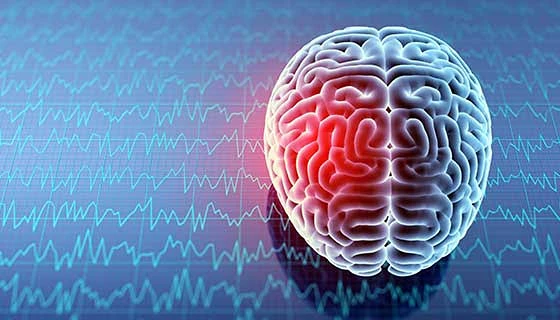
Head injuries can range from minor trauma to potentially life-threatening brain injuries.
After a serious accident or fall, symptoms may not always immediately indicate the severity of an internal injury. In some cases, bleeding or swelling inside the skull may occur even when an external injury appears relatively small.
Warning Signs After a Head Injury
Immediate medical evaluation is important if a person develops symptoms such as:
- Loss of consciousness
- Repeated vomiting
- Severe or worsening headache
- Confusion
- Seizures
- Unusual drowsiness
- Difficulty speaking
- Weakness in an arm or leg
- Problems with balance
- Changes in vision
Severe head injuries should be treated as medical emergencies. Patients should not delay emergency evaluation while waiting for a routine neurosurgical appointment.
Stroke and Neurosurgical Care
Stroke is a medical emergency that requires rapid evaluation and treatment.
These may include sudden weakness or complete numbness on one side of the body, frequent difficulty speaking, drooping of the cheeks, and sudden changes in balance.
Stroke can occur due to a blocked blood vessel or bleeding in the brain. Treatment depends on the type of stroke, its location, severity, timing, and the patient’s overall medical condition.
In certain complex cases, neurosurgical intervention may be required. Neurologists, neurosurgeons, emergency physicians, radiologists, and rehabilitation specialists may work together depending on the patient’s needs.
When to Seek Emergency Care
If stroke symptoms suddenly appear, immediate emergency medical care should be sought.
Do not wait for symptoms to disappear on their own. Early medical assessment can be critical in determining which treatment options may be available.
Common Conditions Treated by a Neurosurgeon
A neurosurgeon may evaluate a wide range of conditions involving the brain, spine, spinal cord, and nerves.
These can include:
Brain-Related Conditions
- Certain brain tumors
- Hydrocephalus
- Brain hemorrhage
- Selected vascular conditions
- Traumatic brain injuries
- Certain seizure-related surgical conditions
Spine-Related Conditions
- Herniated or slipped discs
- Nerve compression
- Spinal canal narrowing
- Certain spinal tumors
- Spinal injuries
- Spinal cord compression
- Selected degenerative spinal conditions
Trauma-Related Conditions
- Head injuries
- Brain injuries
- Spinal trauma
- Spinal cord injuries
The treatment approach varies considerably from patient to patient. Proper diagnosis is the first step toward selecting an appropriate treatment plan.
When Should You Consult a Neurosurgeon?
If neurological symptoms persist, worsen, or become more severe than necessary, you may want to consider consulting a neurosurgical doctor.
Some symptoms that may warrant specialist evaluation include:
- Persistent headaches
- Severe or recurring back pain
- Neck pain with arm symptoms
- Numbness or tingling
- Progressive weakness
- Difficulty walking
- Loss of coordination
- Symptoms following significant head trauma
- Symptoms associated with a diagnosed brain or spine condition
However, sudden neurological symptoms such as facial drooping, one-sided weakness, loss of consciousness, severe confusion, or seizures require emergency medical attention.
What to Bring to Your Neurosurgery Appointment
Patients can make their consultation more productive by bringing relevant medical information.
Consider carrying:
- Previous MRI reports
- MRI images or CDs, if available
- CT scan reports
- X-rays
- Blood test reports
- Previous medical prescriptions
- List of current medicines
- Previous surgery records
- Details of previous injuries
- Information about allergies
- Relevant medical history
It is also helpful to note when symptoms started, whether they are getting worse, and what activities make the symptoms better or worse.
What Happens During a Neurosurgical Consultation?
A neurosurgical consultation generally begins with a discussion about the patient’s symptoms and medical history.
The doctor may then perform a neurological and physical examination. Existing scans and medical reports may be reviewed.
Depending on the condition, additional tests may be recommended.
These may include:
- MRI
- CT scan
- X-ray
- EEG
- EMG or nerve conduction studies
- Blood tests
- Other specialized investigations
Once the diagnosis is clearer, the doctor can discuss available treatment options.
Does Every Neurosurgery Patient Need Surgery?
No.
This is an important point for patients to understand.
Neurosurgery includes both surgical and non-surgical decision-making. If a condition can be safely managed with medicines, physiotherapy, rehabilitation, observation, or lifestyle changes, surgery may not be recommended.
When surgery is necessary, the doctor should explain the reason for surgery, expected benefits, possible risks, alternatives, and recovery process.
Why Experience Matters in Neurosurgery
Neurosurgery involves delicate structures such as the brain, spinal cord, and nerves. Treatment decisions can therefore require detailed evaluation and specialized expertise.
When choosing a brain and spine specialist in Kanpur, patients should look at the doctor’s qualifications and experience relevant to their particular condition.
Dr. Gopal Shukla’s professional areas include cranial surgery, spinal surgery, pediatric neurosurgery, minimally invasive spine surgery, endoscopic neurosurgery, stereotactic and functional neurosurgery, and neurotrauma.
Patients should discuss their individual diagnosis with the doctor rather than assuming that a particular surgical procedure is appropriate based only on general information available online.
Dr. Gopal Shukla – Neurosurgeon in Kanpur
For patients searching online for Dr. Gopal Shukla Neurosurgeon in Kanpur, his professional profile is associated with brain and spine care and multiple areas of neurosurgery.
His qualifications include MBBS and DNB in Neurosurgery, and his professional interests include both cranial and spinal procedures.
His areas of expertise include:
- Brain surgery
- Cranial surgery
- Spine surgery
- Minimally invasive spine surgery
- Pediatric neurosurgery
- Endoscopic neurosurgery
- Stereotactic neurosurgery
- Functional neurosurgery
- Neurotrauma
The most appropriate treatment for each patient can only be determined after clinical evaluation and review of relevant medical investigations.
How to Choose the Right Neurosurgeon in Kanpur
Choosing a neurosurgeon is an important medical decision. Instead of relying solely on terms such as “best neurosurgeon” or “top neurosurgeon,” patients should consider whether the doctor’s expertise matches their medical condition.
Before choosing a specialist, consider:
- Medical qualification – Check the doctor’s specialist training.
- Relevant experience – Consider experience related to your particular condition.
- Treatment options – Understand both surgical and non-surgical options.
- Diagnostic facilities – Ensure appropriate investigations are available.
- Emergency support – This can be particularly important for trauma and acute neurological conditions.
- Communication – Choose a doctor who explains the diagnosis and treatment options clearly.
If you are searching for a Neurosurgeon in Kanpur, choosing a specialist with appropriate neurosurgical training and experience in the relevant area of brain or spine care is important.
Dr. Gopal Shukla is a neurosurgeon whose professional expertise includes cranial surgery, spinal surgery, pediatric neurosurgery, minimally invasive spine surgery, endoscopic neurosurgery, stereotactic and functional neurosurgery, and neurotrauma.
Whether you are dealing with persistent back pain, nerve compression, a diagnosed brain or spine condition, head injury, or another neurological problem, proper diagnosis should always come before deciding on treatment.
Patients should discuss their symptoms, medical reports, treatment alternatives, potential risks, and expected recovery with a qualified specialist before proceeding with any major procedure.
For emergency symptoms such as sudden weakness, loss of consciousness, seizures, severe head injury, confusion, or suspected stroke, seek immediate emergency medical care rather than waiting for a routine consultation.
Frequently Asked Questions
Who is Dr. Gopal Shukla?
Dr. Gopal Shukla is a neurosurgeon in Kanpur with qualifications including MBBS and DNB in Neurosurgery. His professional areas include brain and spine surgery, pediatric neurosurgery, minimally invasive spine surgery, endoscopic neurosurgery, stereotactic and functional neurosurgery, and neurotrauma.
What does a neurosurgeon treat?
A neurosurgeon treats conditions involving the brain, spinal cord, spine, and nervous system. Depending on the condition, treatment may be surgical or non-surgical.
Is a neurosurgeon different from a neurologist?
Yes. Neurologists primarily diagnose and medically manage neurological conditions, while neurosurgeons are trained in surgical treatment of conditions involving the brain, spine, spinal cord, and nervous system. Some patients may need care from both specialists.
Do all patients with back pain need a spine surgeon?
No. Most common back pain does not require surgery. However, persistent pain, nerve compression, progressive weakness, significant numbness, or certain spinal conditions may require specialist evaluation.
When is brain surgery required?
Brain surgery may be recommended for selected conditions such as certain brain tumors, traumatic brain injuries, brain bleeding, hydrocephalus, or other conditions where surgical treatment is considered appropriate.
What should I bring to a neurosurgeon appointment?
Bring previous MRI or CT scans, medical reports, prescriptions, medication details, previous surgery records, and information about your symptoms and medical history.